Light without added fire risk
- Keep a flashlight or battery lantern beside the bed and near the main living area.
- Check batteries and rechargeable lights on a recurring schedule.
- Prefer battery-powered lights to candles. If candles are used, keep them away from children, pets, fabrics, and any place they could be left unattended.
- Leave corridors, stairs, and exits clear before an outage happens.
Food temperature and the closed-door rule
U.S. food-safety guidance says a closed refrigerator keeps food cold for about four hours. A full freezer can hold a safe temperature for about 48 hours, or about 24 hours when half full, if the door remains closed. Use an appliance thermometer and official guidance rather than taste or smell to decide what is safe.
- Keep refrigerator and freezer doors closed as much as possible.
- Freeze containers of water in advance to help fill empty freezer space and provide cold packs.
- Have a cooler and a plan for obtaining ice if an outage continues.
- Discard perishable food according to official time and temperature guidance. When in doubt, throw it out.
- Never taste food to test whether it is safe.
Water and building systems
- Ask whether pumps, lifts, entry systems, garage doors, cooking equipment, and hot water depend on building power.
- Store drinking water and a small amount for hygiene according to household needs and local guidance.
- Fill additional clean containers only if officials or the building advise it and the water remains safe.
- Know the manual access procedure for the building, but do not force powered doors or lifts.
Charging and communication
- Keep one or more power banks charged and store the correct cables with them.
- Reduce screen brightness, disable unnecessary radios and background activity, and use low-power mode.
- Use text messages when networks are congested and reserve calls for necessary communication.
- Monitor official alerts through a phone, battery radio, or another locally recommended channel.
- Never run a vehicle in a garage or enclosed space to charge devices.
Heat, cold, and carbon monoxide
- Close unused rooms, use clothing and bedding in layers, and follow local guidance on safe shelter during cold weather.
- Use window shading, hydration, airflow where safe, and designated cooling locations during extreme heat.
- Never use an oven or stovetop to heat the apartment.
- Never use a generator, grill, camp stove, charcoal burner, or other fuel-burning device indoors, in a garage, or near windows, doors, or vents.
- Ready.gov says generators should be used outdoors and at least 20 feet away from windows.
- Make sure carbon monoxide alarms have appropriate backup power and are working.
Medication and powered medical equipment
- Ask the pharmacist or clinician how temperature-sensitive medication should be handled during an outage.
- Register for utility or local support programs where they exist, but maintain a backup plan because priority programs may not prevent an outage.
- Identify a powered location, transport plan, and emergency contact for essential medical equipment.
- Keep device model, power requirements, provider, and support numbers on paper.
A ten-minute outage response
- Confirm whether the outage is limited to the apartment and report it through the official channel.
- Switch off or unplug sensitive equipment if local guidance recommends it, leaving one light on as a signal.
- Keep cold-storage doors closed.
- Check household members, neighbors who rely on you, medication, and building access needs.
- Start a time record for the outage and refrigerator temperature.
- Monitor official information and decide early when temperature, health, access, or safety makes relocation necessary.
Scope and limits
Outage risks vary by weather, building systems, household health needs, and local infrastructure. Follow local emergency alerts and food, health, fire, and building instructions. Leave or seek help if the apartment cannot remain at a safe temperature or required medical equipment cannot operate.
Sources and further help
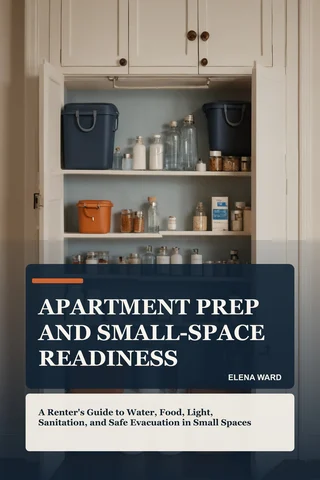
Explore the book
Apartment Prep and Small-Space Readiness by Elena Ward is published by Alderwake Press in the Practical Systems line.
About the bookRelated Alderwake resources
Practical notesApartment Emergency Preparedness Checklist for Small Spaces
A small-space preparedness system organized by function, rotation, evacuation, documents, and the constraints renters cannot simply renovate away.
How to Build a First Emergency Fund When Money Is Tight
A staged way to create a first buffer, protect a small reserve, and build longer-term resilience when there is little room in the budget.